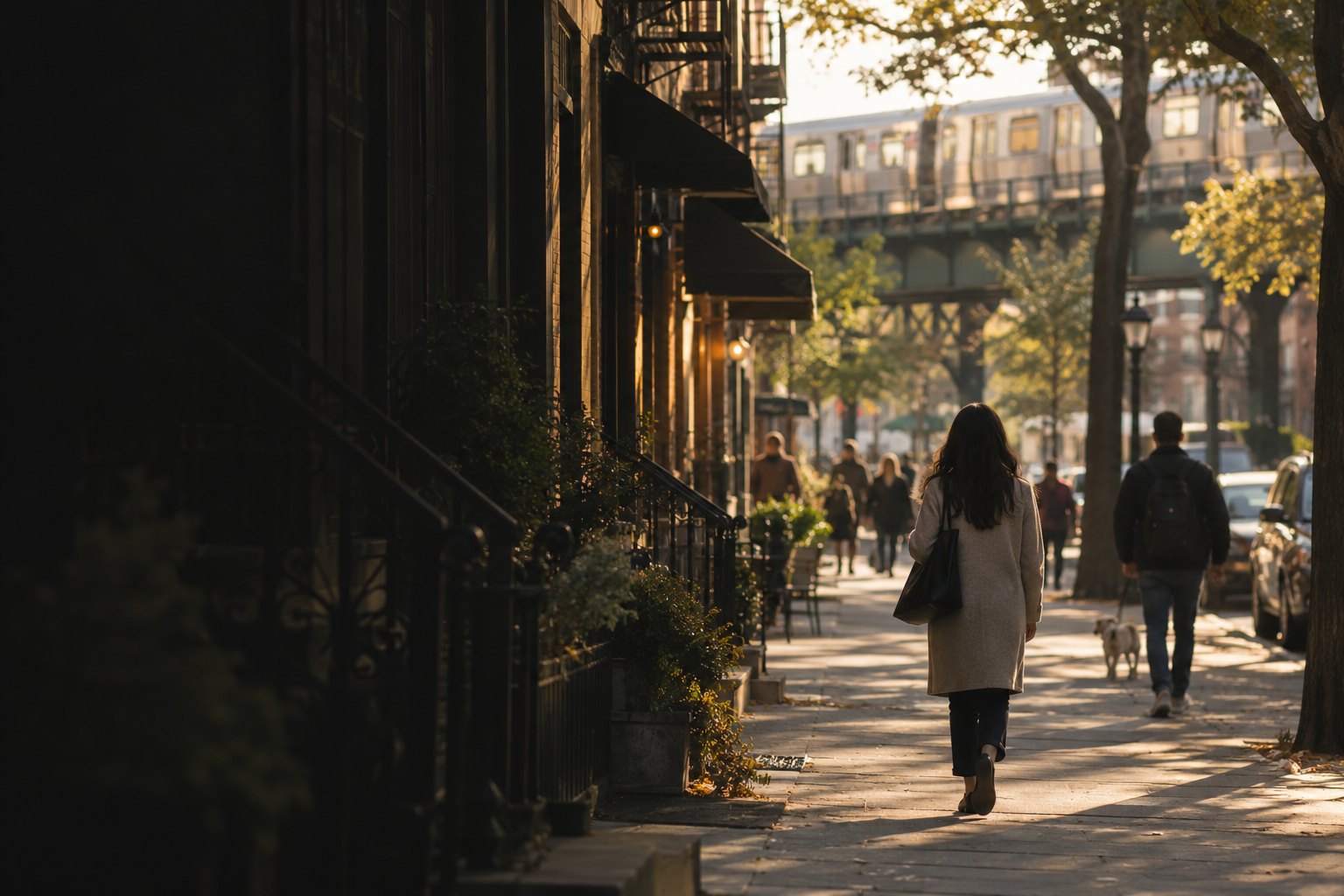
The 2020 protests: $13.7 million, and rules the NYPD now has to follow
People who were arrested or struck by police at the 2020 racial justice protests in New York City brought a class action. The City agreed in July 2023 to pay $13.7 million, with about 1,300 people eligible and no admission. A second settlement, with the State Attorney General, changed how the NYPD is allowed to respond to a protest at all.
A public record, not a client of this firm. Everything on this page comes from the court file, the government announcement or the reporting cited at the end. Usher Law Group did not represent anyone in this matter, we publish no results of our own, and nothing here predicts the outcome of any other case.
In the summer of 2020, tens of thousands of people marched in New York City after the death of George Floyd. Many were arrested. Some were struck. Two lawsuits came out of those weeks, and together they show the two things a civil rights case can do: pay for what happened, and change what happens next.
The first is Sow v. City of New York, a class action for people who were arrested or subjected to force at the protests. In July 2023 the City agreed to pay $13.7 million. About 1,300 people were eligible. The City admitted nothing. We do not state a per-person figure, because the public record gives a total and a class size, and the allocation depended on each person's experience.
The second is the case brought by the New York Attorney General, joined with private plaintiffs in Payne v. de Blasio. It did not ask mainly for money. Its settlement, signed September 5, 2023 and approved in February 2024, requires the NYPD to use a four-tier framework for protest response, bans kettling without individualized probable cause for each person, bars arrests solely for recording the police, protects the press, and creates an oversight committee.
A third case from the same summer went to trial. A federal jury found the City liable for assault and battery on Brigid Pierce, who suffered a traumatic brain injury at a Brooklyn protest, and in 2025 the City paid more than $2 million.
What the law calls it
An arrest without probable cause is a Fourth Amendment violation, and force at an arrest is judged by objective reasonableness (Graham v. Connor, 490 U.S. 386 (1989)). When the arrests and the force follow a plan, the City is the defendant under Monell, because the plan is the policy. That is what makes a protest case a class case: the same order was carried out against everyone on the block.
The injunctive settlement is the other half. Section 1983 allows a court to order a government to change its practices, not only to pay, and the Attorney General has independent authority to sue for a pattern of violations. The terms are public: four tiers of response, no kettling without individualized probable cause, no arrests solely for recording, press protections, an oversight committee. A person arrested at a protest in New York City today is arrested under those rules.
What it cost
Sow v. City of New York, the 2020 protest class
Arrests and force at the 2020 racial justice protests. About 1,300 people were eligible. No per-person figure is stated here.
Source: Civil Rights Litigation Clearinghouse. A public record of someone else's case, not a result of this firm and not a prediction.
What it means for you
If you were arrested at a protest, the first question is whether the charge was dismissed, and the second is whether you were arrested as an individual or as part of a crowd. A mass arrest without individualized probable cause is now barred by the settlement terms in New York City, and each arrest is a claim. Our protest policing page explains the claims and the settlement terms, and the right to record police explains why an arrest for filming is itself a claim.
The deadlines are the ordinary ones: in New York a notice of claim within 90 days for the state claims and three years for the federal claim. If your charge was dismissed, the malicious prosecution claim runs from the dismissal. Our false arrest page explains how loss of liberty is valued even for a few hours, and the deadline tool counts your days.
The pages this story points to
Protest policing
The claims, the kettling ban, and the four-tier framework the NYPD must follow.
Read →The right to record police
Why an arrest for filming is a First and Fourth Amendment claim.
Read →False arrest
Probable cause, mass arrests, and how hours in custody are valued.
Read →Sources. Civil Rights Litigation Clearinghouse, Sow v. City of New York (case 18094); New York Attorney General, settlement of September 5, 2023 in People v. City of New York / Payne v. de Blasio (S.D.N.Y.), approved February 2024; The Legal Aid Society, "NYPD misconduct cost taxpayers $117 million in 2025" (Brigid Pierce).
Common questions
How much did each person in the class receive?
We do not state a per-person figure, because the public record we rely on gives the total and the approximate number of eligible people, and the allocation depended on what happened to each person. The settlement was agreed in July 2023 and the City admitted nothing.
What is "kettling"?
Surrounding a group of people with officers so no one can leave, then arresting everyone inside. Under the injunctive settlement approved in February 2024, the NYPD may not kettle protesters without individualized probable cause for each person, may not arrest people solely for recording, and must follow a four-tier response framework with an oversight committee.
Tell us what happened.
One conversation with an attorney, in your language. We tell you which claims the facts support, which deadline runs first for the agency involved, what evidence to preserve this week, and whether a pending criminal case changes the timing. If it is not a case we can take, we say so and tell you where to go.
(718) 484-7510If a criminal charge is still open, talk to your defense lawyer before you describe the arrest to anyone, including us. English, Russian and Spanish in-house; an interpreter for any other language. Contingency fee, confirmed in writing before we begin.